Categories
tattva

Commissioned English translation of the 13th-century Natha and Siddha texts

Commissioned English translation of the 13th-century Natha and Siddha texts

Tattva Team – December 22

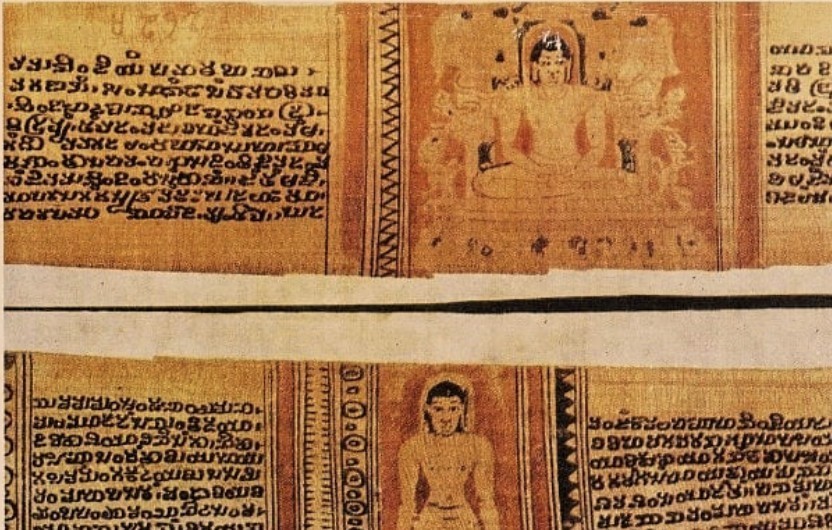
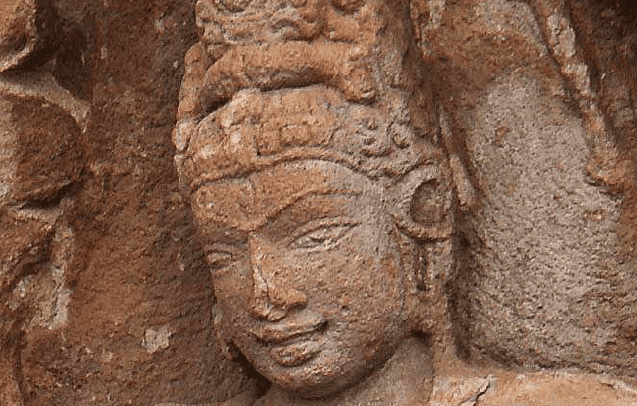
The 13th century Maharashtra was a place of immense religious ferment–this was the time when the Varkari Bhakti tradition was born, the Krishnaite Mahanubhav sect was formed, and the Natha and Siddha lineage began to blossom. While the Varkari and Mahanubhav traditions have received academic attention, the Natha and Siddha traditions of Maharashtra seem to have remained largely unexplored. There has been a recent effort to remedy this situation, especially with the upcoming publication of Vijay Sarde’s archaeological exploration of the Natha tradition in Western India.

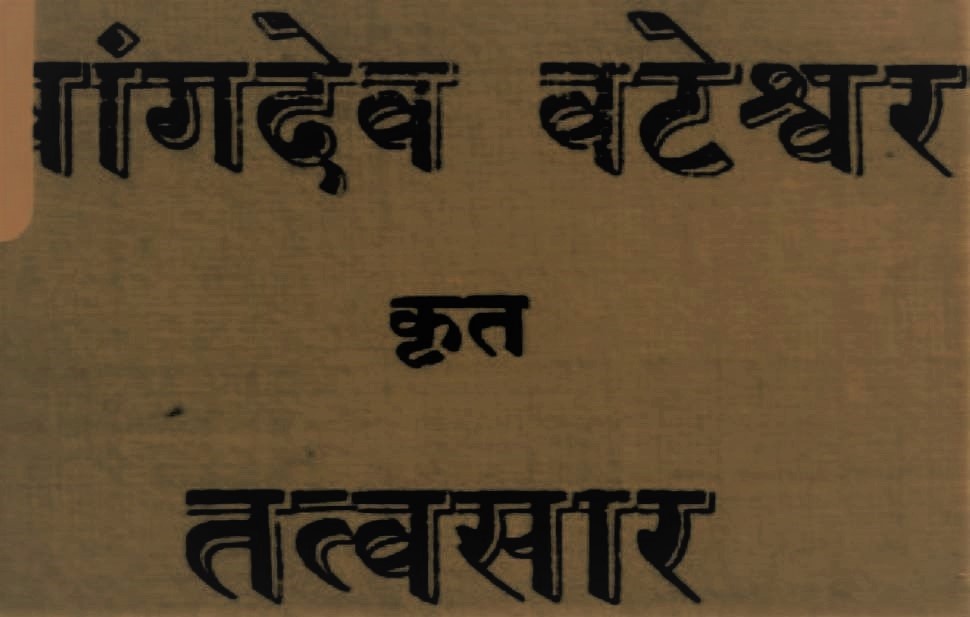
There are multiple 13th-14th century Marathi texts of the Natha and Siddha lineage. Some of the most prominent are Tattvasara, a Siddha text attributed to Changdev; Shatasthala a short text of Maharashtrian Siddha tradition; Damodar Pandit’s Chaupadiya, a short poem critiquing the Natha traditions from the perspective of the Mahanubhavs, and lastly Vivekadarpan, a cryptic Natha text and probably the earliest text of yoga in non-Sanskrit. These texts are very important to understand the evolution of yogic philosophy and Siddha religious movements from some of their earliest textual sources.

The translation for the texts Damodar Pandit’s Chaupadiya, Shatasthala, Tattvasara and Vivekadarpan will be undertaken by Dr. Madhavi Kolhatkar, formerly a research associate at Deccan College, Pune with decades of experience in research on Vedic traditions, Indian religions and Sanskrit literature. The distinguished scholars has multiple books and research papers to her credit during her long careers in the academia. We look forward to publishing these translations in the near future.

More Announcements

Categories
tattva

Grant made to Kalarigram to develop it as a religio-cultural hub

Grant made to Kalarigram to develop it as a religio-cultural hub

Tattva Team  November 22

Image Credit: Farawayoriginals

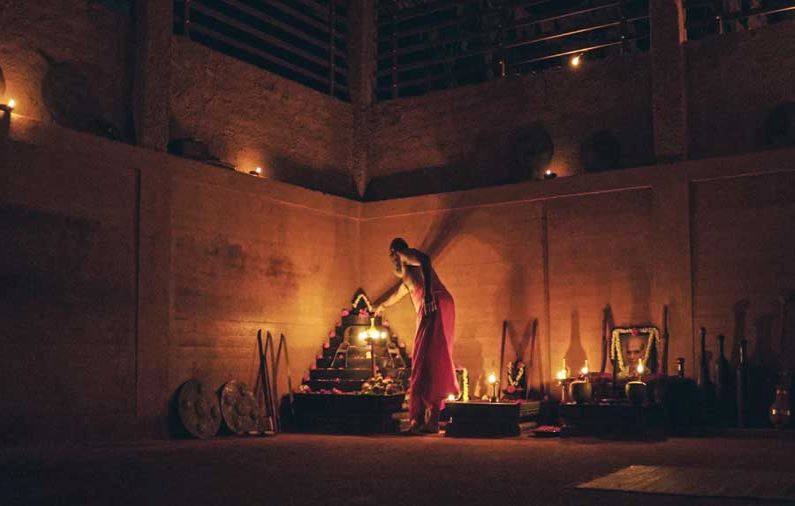
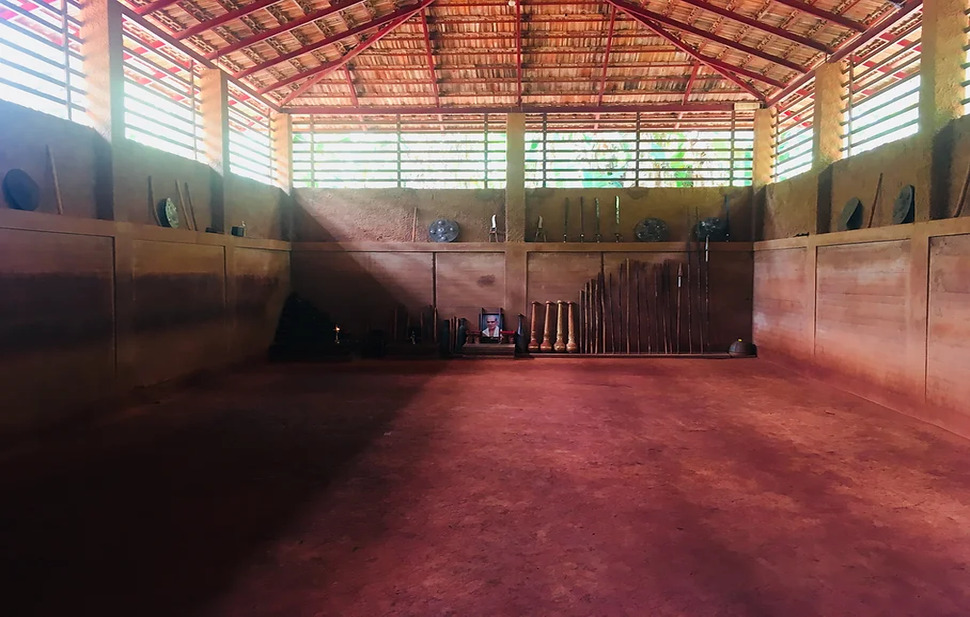
Tattva Heritage Foundation has made a second grant to Kalarigram this year. Located adjacent to Auroville, Kalarigram is one of the premier centres of learning Ayurveda and Kalaripayattu, an ancient martial art form originating in Kerala. Kalarigram is also fast emerging as a hub for the performance of Indian sacred dance and music, especially with the success of their annual Tantrotsav festival held during the weeks prior to the auspicious night of Mahāśivarātri. In these three weeks, some of the best artists, dancers, singers and musicians of India (and outside) gather at Kalarigram to showcase and teach their sacred art forms.

Kalarigram is also a centre for the practice of Śakta Hinduism. Practices, rituals, and festivals related to the Śakta tradition is conducted at Kalarigram according to the ancient ritual manuals. The period of Navarātri is especially auspicious as various homas, yajñas and pūjā are performed to propitiate and seek blessing from the supreme Goddess. Kalarigram is constructing an agamic temple dedicated to the Goddess Bhagawati, who is the patron Goddess of Kalaripayattu and other sacred art forms. Shri Lakshman Gurukkal, the founder of Kalarigram, is an advanced Śri Vidyā practitioner and has initiated many of his advanced students into Śri Vidyā worship. A veritable universe in microcosm, the human body in Kalaripayattu is visualized as a vessel consisting of fiery energy channels called nadis and distinct energy centres called chakras. This conception of the human body underlying the practices of Kalaripayattu is derived from the ancient Śaiva-Śakta tantric tradition of esoteric ritual practices and visualization meditation. Therefore, the non-somatic meditational practices of Śakta Hinduism are complementary to the more somatic practices of Kalaripayattu.

Kalarigram is the brainchild of Shri Lakshmanan Gurukkal who comes from a long lineage of Kalari warriors and practitioners. After more than a decade of leading the centre, Shri Lakshmanan Gurukkal vision now is to transform Kalarigram into premier research and performing centre of India’s sacred martial arts, dance and music forms. Tattva Heritage Foundation is glad to partner with Kalarigram as it goes forward to implement this vision.  

More Announcements

Categories
tattva

Commissioned an English translation of the 13th-century Marathi Vedantic text, Vivekasindhu

Commissioned an English translation of the 13th-century Marathi Vedantic text, Vivekasindhu

Tattva Team  October 22

Tattva Heritage Foundation has commissioned an English translation of the first non-Sanskrit Advaita Vedānta text, the 13th-century Marathi work, Vivekasindhu composed by Mukundaraja. The translation will be undertaken by the distinguished scholar Dr Madhavi Kolhatkar.

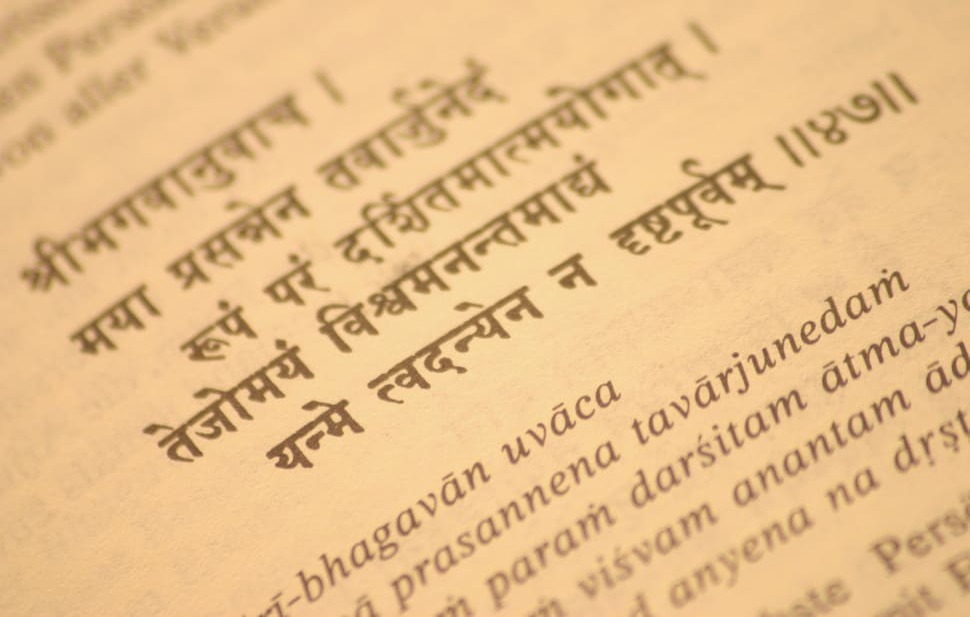
Divided into 2 parts, Purvārdha and Uttarārdha, Vivekasindhu has a total of 18 chapters (mirroring the number of chapters in the Bhagavad Gītā). It is not only the earliest non-Sanskrit text of Vedanta but it is also one of the earliest works of Marathi literature, a period of time when Marathi emerged as a full-fledged literary language. Along with Līḷācharitra and Jñāneśvari, Vivekasindhu constitutes the three most seminal works of early Marathi literature.

The translation of Vivekasindhu will provide us with another window to better understand this astonishingly fecund period of Maharashtra’s history, the 11th to 13th centuries. Under the rule of the Silaharas of Konkan and the Yadavas, who initially ruled under the suzerainty of the Kalyani Chalukyas and then independently, Maharashtra became a seat of learning and scholarship. Seminal texts on music, dance, medicine, and law were being composed under the patronage of the Yadava kings. This period also marked the emergence of four distinct religious movements in Maharashtra: the yogic and siddha tradition of the Naths who emerged from the Śaiva-śakta milieu of Maharashtra, the Krishnite sect of the Mahānubhavas, the Vaiṣṇava sampradāya of the Vārkaris, and the Advaita Vedānta tradition of Śaṅkara which influenced the metaphysics of all the other religions traditions of Maharashtra.

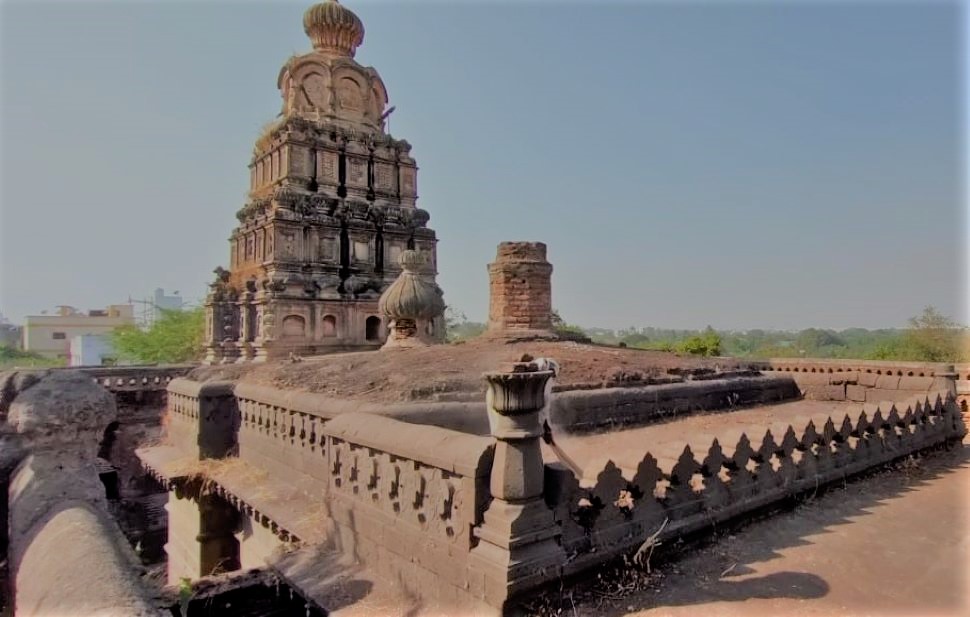
Each of these religious communities produced a large number of religious-literary texts in Marathi that are still studied, sung and recited across Maharashtra.  It was also during this period that the first structural stone temples were built in Maharashtra, starting from the mid-11th century Ambarnatha temple built by the Silaharas. During the next two centuries, Maharashtra was dotted with innumerable temples built in the beautiful nagara style incorporating distinct local elements.

Tattva Heritage Foundation will commission further translations of Marathi texts of this period and projects related to the architecture of this period. This, hopefully, will help us better understand this immense flowering of religious-cultural thought before the Islamic invasions from the north put a close to this glorious epoch of Maharashtra history.

About the translator: Madhavi Bhaskar Kolhatkar holds a PhD (Sanskrit) from Pune University. She started her career in 1973 as a Research Assistant in Sanskrit Dictionary Department at Deccan College, Pune. A Research Associate from 1985 onwards, Dr Kolhatkar has co-authored multiple books and has published over thirty articles on a variety of themes including Vedic rituals, religion, and Sanskrit literature. She is well versed in German, Russian, Tibetan and Japanese and has been at Nagoya University, Japan for her post-doctoral research in 1986 on a Japanese government scholarship. In 1987, she visited Nepal to participate in Gurumandalapuja – a project undertaken by the Department of Indian Philosophy, Nagoya University, Japan. She is the author of Sura: The liquor and the Vedic Sacrifice.
More Announcements

Categories
tattva

Grant made to Srjan for the development of Odissi dance  

Grant made to Srjan for the development of Odissi dance

Tattva Team  September 22

Srjan is one of the premier Odissi dance academies in the world. It was started by the legendary Odissi dancer Padma Vibhushan Guru Kelucharan Mohapatra.  The academy, based in the spiritual heartland of Odissi, Bhubaneshwar, is patterned after the ancient Gurukul system, where young selected dance students from all across the world live in the Guru’s home and train under his supervision and constant interaction, a hallmark of this time-honoured heritage. Guru Kelucharan Mohapatra’s innovative and rigorous teaching method has been faithfully adopted by his son, Guru Ratikant Mohapatra, who currently heads the foundation.

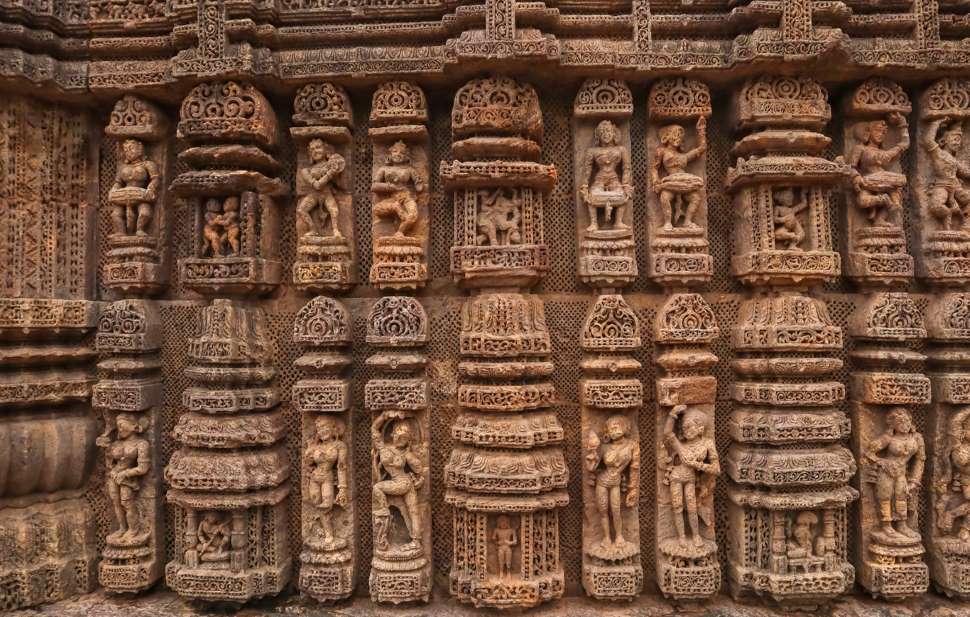
Odissi is an ancient dance form originating in the temples of Orrisa–the staggering variety of sculptural panels of dancers in the temples of Orrisa is a testament to that. This dance is an offering to Lord Jagannatha. It was revived and revitalized during the independence years by a number of great artists including Guru Kelucharan Mohapatra.

Tattva Heritage Foundation is glad to support Srjan and the extraordinary legacy of Guru Kelucharan Mohapatra with a one-time, as Srjan continues to set a new benchmark in excellence and act as a vanguard for the continuous evolution of Odissi dance while remaining true to the tradition. The ancient Guru-shishya Parampara nurtured in such modern academy will go a long way in preserving and popularizing the astonishingly rich culture of Odissi.

More Announcements

Categories
tattva

Launched a heritage temple mapping project of Maharashtra

Launched a heritage temple mapping project of Maharashtra

Tattva Team  August 22

India, to the south of the Vindhayas, has a staggering number of ancient temples, and a significant number of them are more than 500 years old. The Archaeological Survey of India maintains a few of them, but the overwhelming majority are left to the vagaries of nature, surviving on the generosity and devotion of the devotee. Each of these temples has stories, myths, and multiple layers of archaeology. As a fresh generation of devotees takes over from the old, a new layer of myths is added to an already dense layer of stories that circulates among the villagers for it is the mānyatā (common beliefs) associated with the temples and their deities that animate the śraddha (deep devotion) of the devotees. These temples also have immense historic and heritage value, something that is often ignored when old structures are tampered with.

Tattva Heritage Foundation’s goal is to undertake a thorough mapping and documentation of these old temples. We aim to prepare a detailed report for each of these temples documenting the legends, archaeology, state of conservation, and the current temple ecosystem. We will also prepare a ground map for each of these temples. Given the enormity of the undertaking, we have initially planned to do a pilot project in the Pune District. We chose Pune District for the pilot because it is easily accessible, the city has a large number of trained archaeologists, and there are about 50 temples within the district that are more than 500 years old. Out of these 50 temples, probably about 5-10 temples have been documented by previous scholars and only a handful of these temples are under the supervision of archaeological departments.

This project should lead to the publication of a book on Pune temples, a digital space where we can showcase these temples along with detailed information on them, a QR code system on the physical temple site where the details of the temples can be accessed by devotees, a Google Maps project for locating these temples, and many other such initiatives. We also want to make the local villagers aware of the heritage value of their temple and the need to preserve it well. Through this effort, we hope to raise awareness among the people of the immense religious heritage of the country and encourage citizens to take ownership of these monuments that our forebears have left for us as our inheritance.  

The project is to be led by Vijay Sarde, who has a PhD in early Natha temples from Deccan College, and the team will include Pranit Polekar, currently working on his own PhD from Deccan College and Sujay Khalate, MA in Archaeology from Deccan College. Manish Maheshwari is the editor and conceptualizer of this project.

More Announcements

Categories
tattva

Annual grant made to 25 Sanskrit students preparing for the Tenali examination

Annual grant made to 25 Sanskrit students preparing for the Tenali examination

Tattva Team  July 22

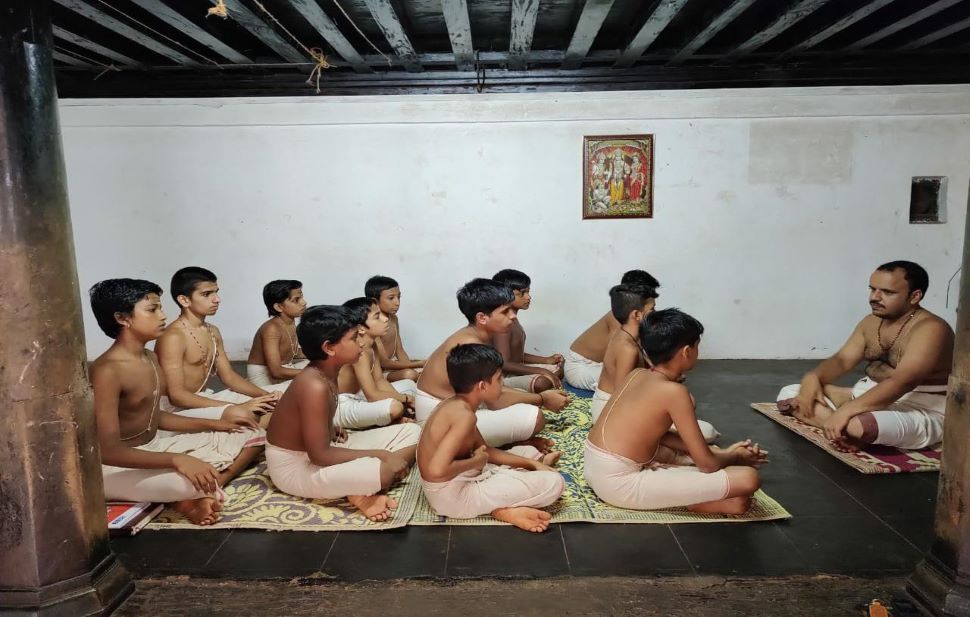
Tattva Heritage Foundation is glad to announce an annual grant for 25 Sanskrit students studying the śāstras at various Gurukuls in the country as they prepare for their ‘Tenali Exams’ (Tenali Pariksha). The Tenali exams are the most prestigious qualification for students studying the śāstras — in fact, most of the Gurus currently teaching the śāstras have cleared their Tenali examinations.

The exams are conducted twice a year when the Gurus and their students from across the country come to Tenali for their written and oral semester exams (though some changes have been made due to Covid). After 5-6 years of rigorous study, they take the ‘Mahapariksha’ under the supervision of Kanchi Mutt. The exams are conducted on various subjects: Vyākaraa, Tarka, Mīmāsa, and Vedānta. Recently. Prime Minister Modi congratulated Priyavrata Devadatta Pati for becoming the youngest student to clear the ‘Tenali Mahapariksha’ examination.

At Tattva Heritage Foundation, we want such institutions of traditional learning to survive and thrive, and we are extremely supportive of such brilliant students who have gone against the grain and become scholars and teachers of our śāstras and the proud legatees of at least two millennia of some of the most sophisticated systems of thought. We are happy to support these students and institutions who are keeping the torch of tradition and learning alive.

More Announcements

Categories
tattva

Commissioned English translations of three Marathi texts of RC Dhere

Commissioned English translations of three Marathi texts of RC Dhere

Tattva Team  June 22

RC Dhere, one of the great chroniclers and scholars of folk tradition, has left us a prolific amount of output detailing almost every aspect of the folk, bhakti and paurāika traditions of Maharashtra and beyond. Given the vast sweep and importance of his seminal work, it is imperative that his work be known and read by anyone interested in the religious-cultural history of this country. So far only two of his works have been translated into English: The Lajjagauri and Anandanayaki by Jayant Bapat, and Rise of a Folk God: Vitthal of Pandharpur by Anne Feldhaus.

Tattva Heritage Foundation is interested in getting more of his classic works translated into English and other Indian languages. Translating such works has become important because the real richness and diversity of what we call Hinduism is only fully visible once we document our religious traditions and culture at the level of village, regions and states. Moreover, our academia no longer produces scholars of the level and stature of R.C. Dhere, so the least we can do is propagate his memory by disseminating his scholarship and writings for posterity.   

As part of this process, we have commissioned an English translation of R.C. Dhere’s pioneering work Muslim Marathi Sant Kavi (Muslim Marathi Saint Poets). This book is about the life and times of numerous Vaishnava Bhakti saints of medieval Maharashtra who came from Muslim backgrounds. The translation will be undertaken by Dr Shubhangana Atre, formerly at Deccan College Post-graduate and Research Institute, Pune.

We are also in the process of commissioning an English translation of two more books by R.C. Dhere – Nath Sampradayacha Ithihas (History of Natha Tradition) and Loka Daivatanche Vishwa (The journey & transition of various popular folk gods, goddesses, & deities). if any scholars with a flair for translation are interested in this project, then please reach out to us.

More Announcements

Categories
tattva

Established the Centre for Shaiva Studies in Pondicherry in collaboration with INDICA 

Established the Centre for Shaiva Studies in Pondicherry in collaboration with INDICA

Tattva Team  May 22

Tattva Heritage Foundation, in collaboration with INDICA, has established the Centre for Shaiva Studies (www.shaivastudies.in) in Pondicherry.  The Centre, inaugurated on 6th May 2022, will be led by Dr. T. Ganesan, former Director of Research at the French Institute, Pondicherry, and a foremost scholar of Śaivism.

The Centre aims to be a premier place of research on Śaivism and its ancillary traditions. The Centre will be a hub for scholars and practitioners to study and conduct research on all aspects of the Śaiva tradition, be it Śaiva philosophy, rituals, literature or visual arts. It plans to train and develop select scholars to undertake philologically rigorous textual, manuscript, and epigraphic studies on the vast Śaiva corpus available in Sanskrit, Tamil, Telugu and Kannada languages. It also plans to undertake a detailed study on some of the ancient and important Śiva temples, with a special focus on the architectural, ritual and holy legends (sthalapurāa). There are also allied fields associated with Śaivism, such as haṭha yoga, martial arts, siddha tradition, ritual studies, and aesthetics. In the long term, we plan to develop expertise and scholarship in all the above-mentioned areas.

Textual studies will also be complemented by Centre’s endeavour to chronicle and document contemporary forms of Śaivism, be it the thriving temple traditions, Śaiva institutions, siddha traditions, or various forms of Śaiva devotional practices.  As an output of the academic study, the Centre will publish critical editions, monographs and books containing original research undertaken at the Centre. The academic department will also organise conferences, talks and seminars on topics related to Śaivism. Eventually, the Centre will also bring out a rolling journal containing the latest research on Śaivism and its allied tradition. The Centre will become a hub of grant-giving activities for Indian scholars who are interested in undertaking research on Śaivism under the supervision of scholars at the Centre.

In the upcoming days, the Centre plans to onboard multiple senior scholars and junior researchers.

More Announcements

Categories
tattva

Grant made to RC Dhere Centre for Folk Studies for starting the RC Dhere library

Grant made to RC Dhere Centre for Folk Studies for starting the RC Dhere library

Tattva Team  April 22

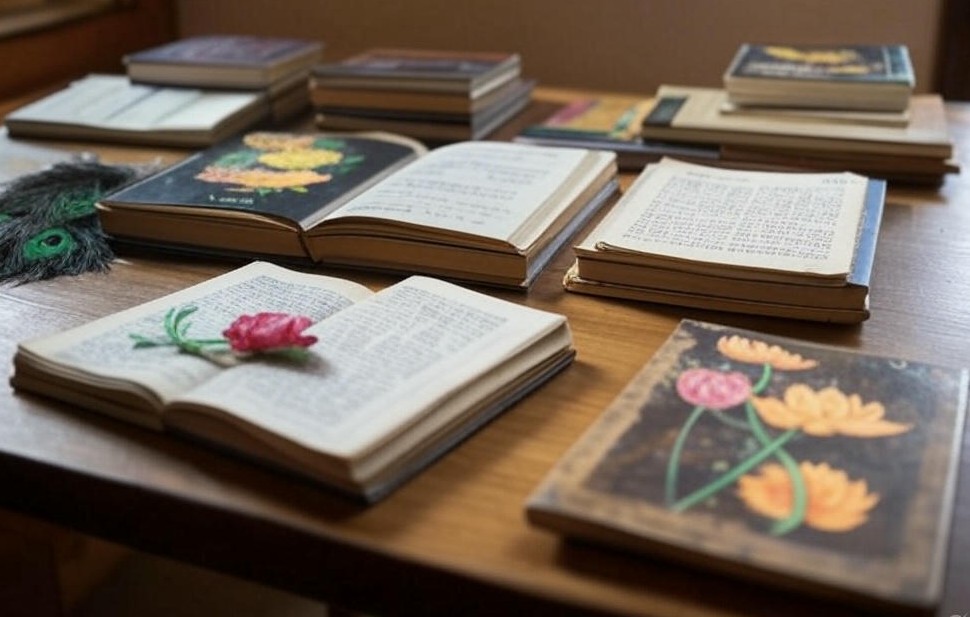
RC Dhere was one of the great Marathi scholars with a prolific literary output. He wrote and edited more than 75 books on the saint literature, folk deities and gods, bhakti tradition, holy places, temples, folk literature and culture. Some of his famous books are History of the Natha Tradition, History of the Dutta Tradition, Muslim Marathi Saint Poets, Vitthala and Lajjagauri.

He left a library of more than 20,000 books, some of which are manuscripts and rare texts. Tattva Heritage Foundation is glad to commit a major part of the funding required to digitize some of these books and also convert his personal library into a public library. We strongly believe that every region, village and community is a repository of a vast mass of religious-cultural traditions that need to be documented and studied before they get washed away by the vast tide of modernity.  

More Announcements

Categories
tattva

Grant made to Kalarigram for the annual Tantrotsav Festival 

Grant made to Kalarigram for the annual Tantrotsav Festival

Tattva Team  March 2022

Tattva Heritage Foundation has made a grant for the annual Tantrotsav Festival organised by Kalarigram. Tantrotsav is a three-week long festival organised during the month of Feb-March that culminates in a grand finale on the auspicious night of Mahāśivarātri. During these three weeks, some of the best artists, dancers, singers and musicians of India (and outside) gather in this sacred Kalari ashram to showcase and also teach their sacred art forms.

Tantrotsav 2022 includes performances of Odissi, Mohniyattam, Koodiyattam, Bharatanatyam and many other Hindu classical and Indian folk-dance forms by some of the finest exponents of the tradition.  One of the highlights of the festival is the performance of the multiple forms of Theyyam, a millennia-old ritual form of dance worship performed by certain communities of Kerala for the Goddess Bhagawati.     

Tantrotsav is the brainchild of Shri Lakshmanan Gurukkal, also the founder of Kalarigram. In just ten years, Tantrotsav has become one of the major events in our religious-cultural calendar where the sacred performing art traditions of India are presented with the authenticity and the reverence they deserve.  The festival reaches new heights each year under the able leadership of Shri Lakshmanan Gurukkal and we hope to continue to support it in the form of an annual grant.  

More Announcements