Categories
tattva

Grant Support for Research on Indian Traditions of Political Thought

Grant Support for Research on Indian Traditions of Political Thought

Tattva Team – January 2026

Indian Political Thought

Tattva Heritage Foundation is pleased to support a significant research initiative undertaken by Brhat, an institution dedicated to revitalizing Indian public policy and leadership through the lens of Indian Knowledge Systems (IKS). The project, titled A Study of the Indian Political Theory for Global Futures, seeks to recover and reinterpret classical Indian traditions of political thought and bring them into meaningful dialogue with contemporary global governance challenges. The research is led by Dr. Srinivas Jammalamadaka, a scholar of Nyāya, Vyākaraṇa, Advaita Vedānta, and Indian political theory.

Contemporary governance discourse has largely been shaped by Western approaches to statecraft. This project expands that conversation by engaging the comparative insights of Pt. MM Rajeśwara Śāstri Draviḍ, particularly his two-volume Pāścāttyabhāratīyarājanītyoh Samālocana, which serves as the principal textual foundation of the study, alongside classical works such as the Arthaśāstra and Kāmandaka Nītisāra. Together, these texts articulate a vision of governance aligned with ṛta and expressed through rājadharma, nyāya, and lokasaṃgraha, where political authority is inseparable from ethical responsibility, social cohesion, and long-term civilizational wellbeing.

The project is grounded in close reading of primary texts and comparative analysis. The anticipated outcomes include scholarly publications, structured analytical frameworks, curricular resources, and policy-relevant insights. By treating Indian political philosophy as a source of conceptual insight rather than historical curiosity, the project seeks to restore its place within contemporary debates on governance and public life.

more Announcements

Categories
tattva

Grant for Video Documentation of Early Kannada Jain Literary Traditions

Grant for Video Documentation of Early Kannada Jain Literary Traditions

Tattva Team – October 2025

Jain Kannada Literature

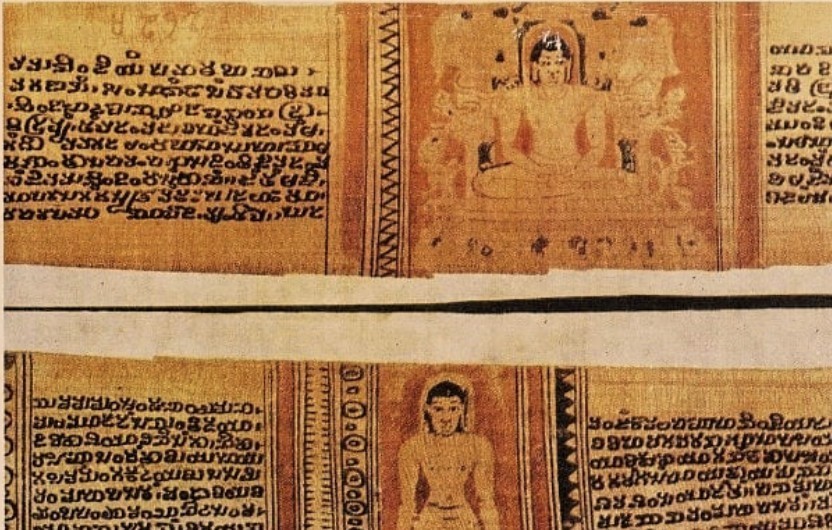
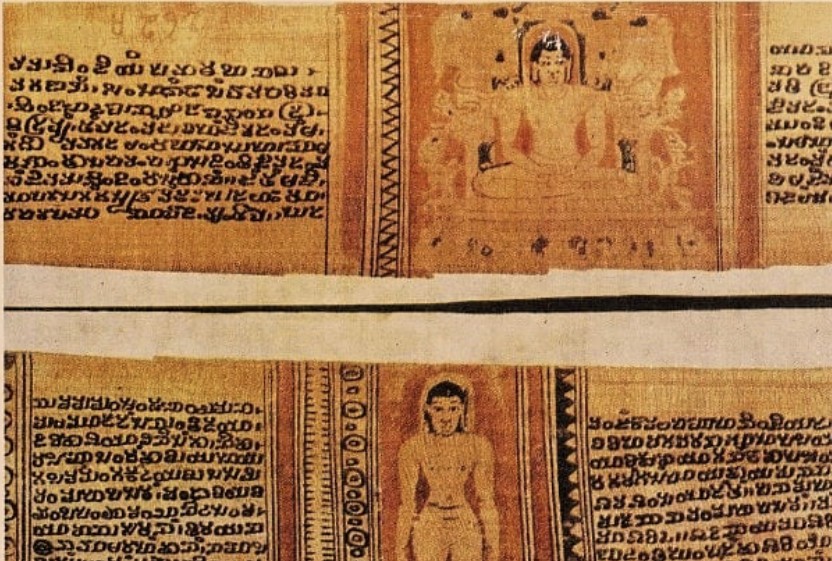
Tattva Heritage Foundation is pleased to support support for an important cultural documentation initiative undertaken by Kathana Studio, run by Chandan Gowda. This project is dedicated to creating a comprehensive video archive on early Kannada literary traditions associated with Jain intellectual culture, featuring lectures by Hampa Nagarajaiah, the foremost living authority on the subject.

As part of this initiative, a substantial series of fourteen in-depth lectures has been recorded, each approximately one hour long. Together, they survey a wide range of early Kannada texts and authors, including foundational religious narratives centred on the Jain tradition, as well as major classical works authored by Jain poets that played a formative role in shaping Kannada literary culture more broadly. The lectures cover seminal texts such as Vaddarādhane, Kavirājamārga, Pampa’s Ādipurāṇa and Bhārata, Ranna’s Gadayuddha and Ajitapurāṇa, Janna’s Yaśodharacarita, and Nemicandra’s Neminātha Purāṇa, offering both historical context and close literary insight.

These lectures are being made publicly accessible through Kathana Studio’s YouTube channel, ensuring wide reach and long-term availability for students, scholars, and general readers interested in early Kannada literature and intellectual history.

We are glad to have been able to support this effort to preserve, curate, and disseminate a vital but often underrepresented strand of India’s literary heritage. Initiatives such as this play a crucial role in ensuring that foundational scholarly knowledge is not only preserved, but also meaningfully shared with contemporary audiences.

More Announcements

Categories
Announcements

Upcoming Book Publications

Tattva Heritage Foundation is committed to publishing critical works that illuminate India’s cultural, literary, and architectural heritage. We are pleased to announce the upcoming release of the following books published by Tattva Heritage Foundation:

2025 Releases

Translations: Literary and Cultural Studies

Edited and curated by Manish Maheshwari

Horizons of Folk Culture – Ramachandra Chintaman Dhere
Translated into English by Jayant Bhalachandra Bapat
This book delves into the deep-rooted traditions of folk culture in India, exploring its intersection with religious practices, oral traditions, and regional identities.

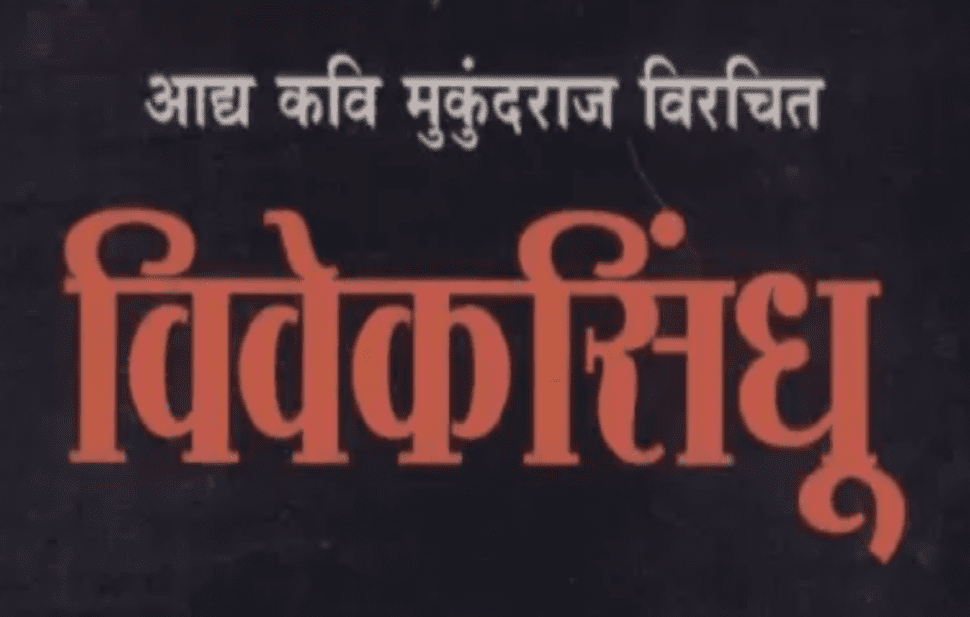
Vivekasindhu – Mukundaraj
Translated into English by Madhavi Kolhatkar
One of the earliest Marathi philosophical treatises, Vivekasindhu presents Advaita Vedānta in a lucid and poetic form. This new translation makes it accessible to a wider audience while retaining its philosophical depth.

Marathi Muslim Saint-Poets – Ramachandra Chintaman Dhere
Translated into English by Shubhangana Atre
This work sheds light on the contributions of Muslim saint-poets in the Marathi literary tradition, highlighting their devotional poetry and their role in shaping the region’s spiritual landscape.

Śaiva Monuments at Paṭṭadakal –Vasundhara Filliozat & Pierre-Sylvain Filliozat

A landmark study of the Śaiva temple complex at Paṭṭadakal, this two-volume work presents a comprehensive analysis of its architectural, sculptural, and historical significance.

Volume 1: Narratives and Architectural Drawings
This volume offers detailed architectural analyses, measured drawings, epigraphical and historical narratives that contextualize the temples within the broader Śaiva tradition.

Volume 2: Photographic Documentation
A richly illustrated companion to Volume 1, this book presents high-quality photographs of the Paṭṭadakal monuments, capturing their intricate sculptures, inscriptions, and architectural details.

These publications represent our ongoing dedication to preserving and sharing India’s diverse heritage. We believe that making these works accessible to a wider audience—both scholars and enthusiasts—will contribute to a deeper understanding of India’s rich traditions.

All these texts will be availble for purchase on www.amazon.in from June 2025 onwards.
Categories
tattva

Announcing the Upcoming Publication of a Landmark Study on the Shaiva Monuments of Pattadakal

Announcing the Upcoming Publication of a Landmark Study on the Saiva Monuments of Pattadakal

Tattva Team – September 2024

Pattadakal

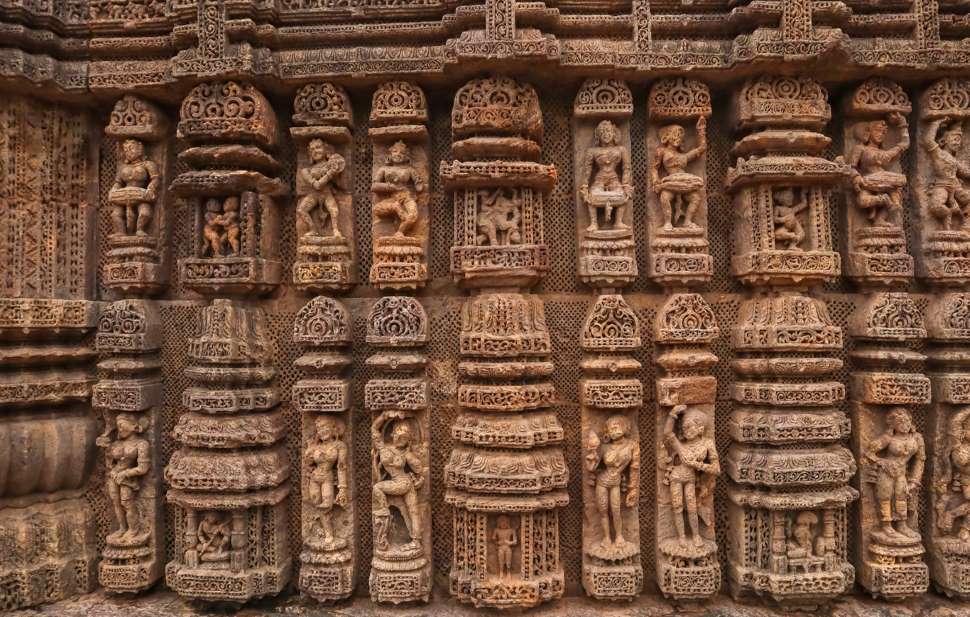
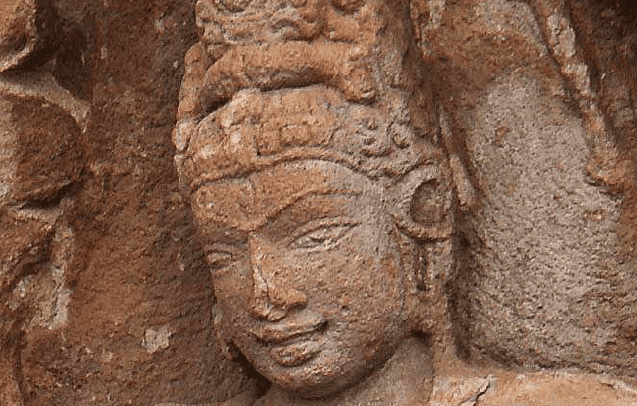
The Tattva Heritage Foundation is proud to announce the upcoming publication of a significant work by esteemed scholars Vasundhara Filliozat and Pierre Filliozat on the Shaiva monuments and temples of Pattadakal, an architectural marvel from the early Chalukya reign. This monumental two-volume book is the product of a lifetime of scholarship dedicated to the study of Karnataka’s temple architecture, offering a detailed exploration of this UNESCO World Heritage site.

The first volume will present an in-depth textual analysis of the Pattadakal temples, illuminating their historical, cultural, iconography and architectural significance within the broader context of South Indian temple construction. The second volume, filled with stunning photographs, will visually complement the text, bringing to life the artistry and craftsmanship that define these ancient structures.

Set to be released in January, this work is the most comprehensive scholarly treatise on the monuments of Pattadakal and will serve as an invaluable resource for scholars, students, and enthusiasts of Indian cultural heritage, offering fresh perspectives on the architectural innovations and religious traditions of early medieval India. Tattva Heritage Foundation is honored to support and publish this landmark contribution to the study of Indian temple architecture, ensuring its availability to a global audience.

More Announcements

Categories
tattva

Launch of karṇāṭa: Centre for Classical Kannada

Launch of karnata: Centre for Classical Kannada

Tattva Team – February 2024

karnata

In one of the major initiatives, Tattva Heritage Foundation is glad to announce that on the auspicious day of Vasanta Pañcamī, 14th February 2024, a day that heralds the onset of spring according to the Indian calendar and venerates Sarasvatī, the goddess of learning, karṇāṭa: Centre for Classical Kannada, was officially launched.

The concept for the centre emerged from a deeply felt necessity for a concerted effort, distinct from the university framework, aimed at reviving and rejuvenating the rich heritage of classical Kannada. This initiative seeks to promote scholarship while making the tradition more accessible to a wider audience. One of the focal points of this initiative is to strategically use technology to enhance the learning and dissemination of classical Kannada traditions.

The centre held an inaugural event in Mysore on 18th February 2024 to mark the launch of the centre. The event featured addresses by eminent speakers, including H.V. Nagaraja Rao, a preeminent Sanskritist; Pierre Filliozat, a French scholar renowned for his studies in ancient Kannada temple architecture; and Vasundhara Filliozat, a distinguished epigraphist and authority on the Vijayanagara Empire. The founding members of the centre, R.V.S. SundaramGil Ben-Herut, and Manish Maheshwari, also shared their insights.

This event was widely covered by the media including local Kannada dailies as well as English newspapers such as the Hindu and the Star of Mysore. This event not only marked the beginning of a new chapter in the study and appreciation of classical Kannada traditions but also set the stage for future scholarly endeavours and cultural engagements.

The centre is housed under Tattva Heritage Foundation, which will fund and oversee all its activities.  

More Announcements

Categories
tattva

Grant made for Kalaripayattu Research Project

Grant made for Kalaripayattu Research Project

Tattva Team – November 2023

Kalari
Image Credit: Kalarigram

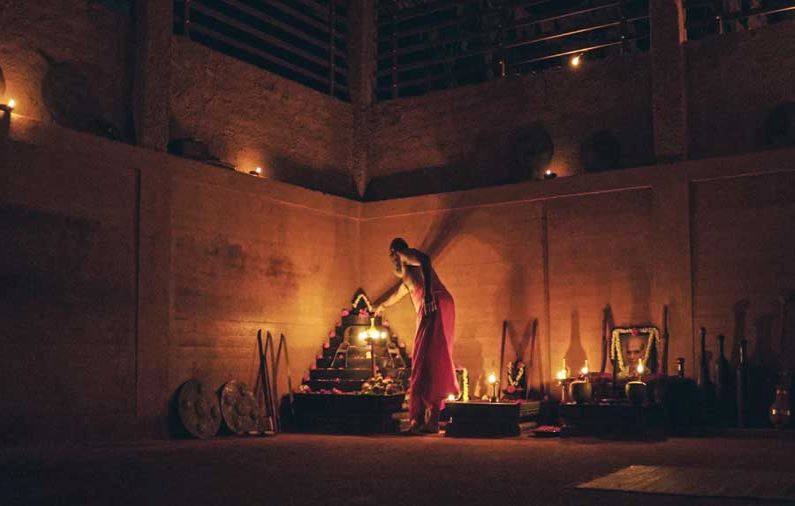
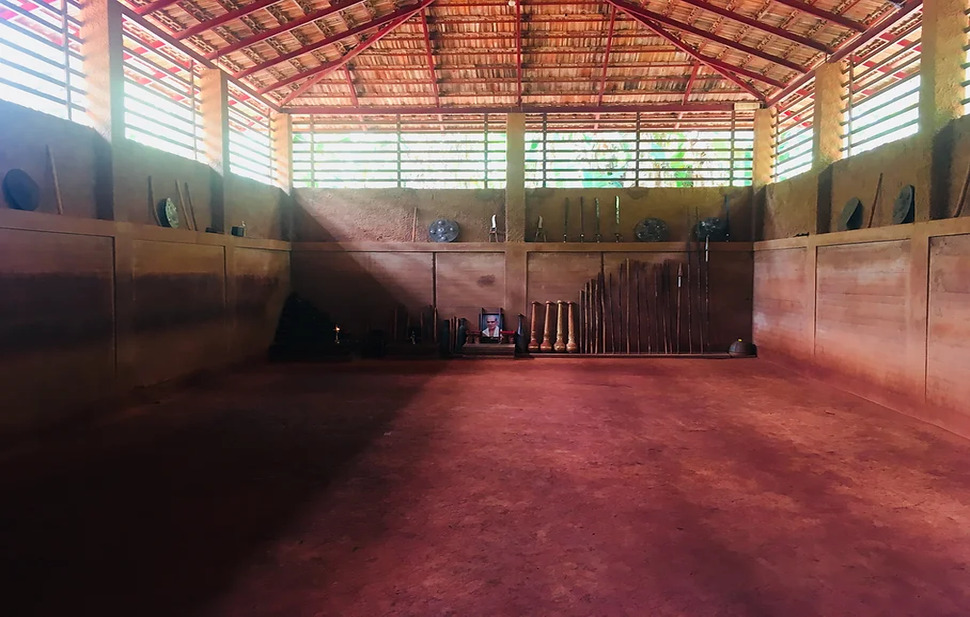
Tattva Heritage Foundation has been a patron of Kalarigram, an institution dedicated to the practice of Kalaripayattu and Śaktā Hinduism. Shri Lakshmanan Gurukkal, the founder of Kalarigram, has conceived several projects related to Kalaripayattu, Ayurveda, Natyashastra, and temple traditions. One such project aims to research and document the living Kalaripayattu tradition of Kerala, aptly titled ‘The Journey of Parashuram.’ According to legend, Lord Parashuram created a stretch of land between Gokarna and Kanyakumari from the sea and established numerous Kalari centres, each with its own unique style, on this reclaimed land. The project’s objectives include:

  • Capturing conversations with living masters of the various styles
  • Taking videos of presentations by prominent schools in the region
  • Creating documentation on temples and Kalari schools in the region, and the relationships between them
  • Documenting specific aspects of the styles, such as oral instructions, variations in postures, or sequences
  • Collecting scrolls, manuscripts, or other documents passed down by masters over the centuries

Tattva Heritage Foundation is committed to providing all the necessary resources, both financial and otherwise, to ensure the successful execution of this crucial work. We are currently in the process of selecting a team and establishing a timeline for the outputs of this project. The work on this project should begin early next year.

More Announcements

Categories
tattva

Progress Report and the Website Launch of the Temple Mapping Project

Progress Report and the Website Launch for the Temple Mapping Project

Tattva Team – September 2023

Image Credit: Shutterstock

Last year in August, we announced our commitment to map and document India’s ancient temples. Our preliminary research revealed a concerning trend: many of these historic temples are either deteriorating or facing modern renovations that override their original structures. With this realization, we initiated a pilot project focusing on Pune District.

We are pleased to report that over the past 10-12 months, our team, led by Vijay Sarde, has been diligently traversing villages within Pune District to survey and document pre-British era temples. At this juncture, we have reached the halfway mark of the project for Pune District. The efforts have culminated in more than 100,000 written words and documentation of approximately 150 ancient temples, confined to the Pune district alone.

To share our findings, we have launched a website: www.heritagetemples.org

We eagerly welcome your feedback and suggestions, as we continue along in this mammoth project. Our project is the first of its kind in Maharashtra, and we have plans to scale up. In the near future, we intend to expand our team and extend our research to multiple districts within Maharashtra. Additionally, we have several other initiatives in the pipeline, updates for which will be shared as they come to fruition. 

More Announcements

Categories
tattva

Commissioned an edition and translation of Yadavagiri Mahatmyam

Commissioned an edition and translation of Yadavagiri Mahatmyam

Tattva Team – May 2023

Image Credit: Metrosaga

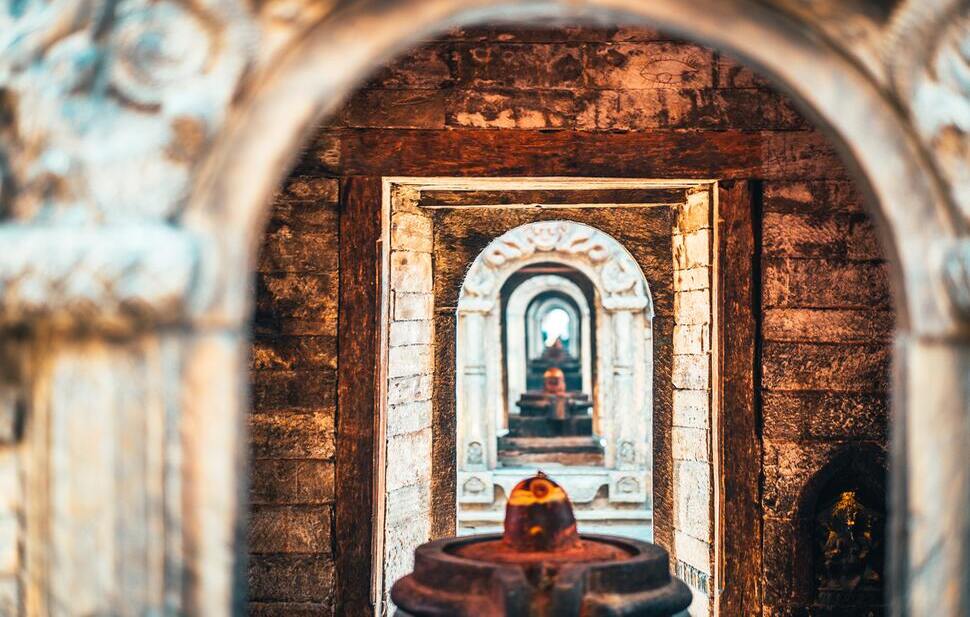
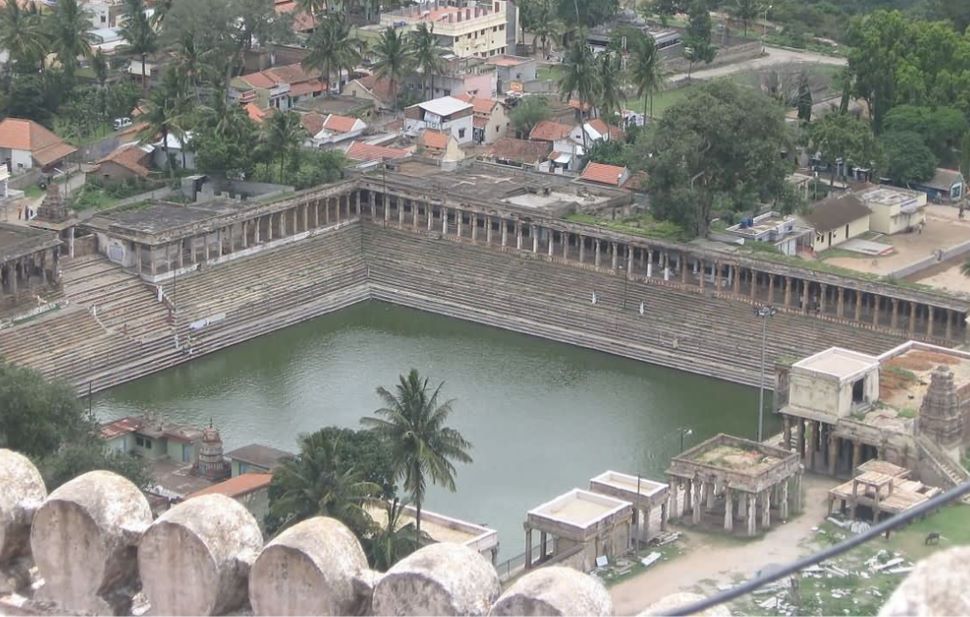
There is a large genre of Hindu religious texts that narrates the stories, legends, and religious significance of a particular place; they are known as sthala mahatmya or sthala puranas. Most of the famous religious places, temples and rivers have their own sthala purana or mahatmya. As an example, the famous Chidambaram temple in Tamil Nadu has six sthala puranas written in both Sanskrit and Tamil over the last thousand years. In the same way, the major rivers of India have their own river mahatmyas that describe their origins, glories, and religious significance. Similarly, a sacred region will have its own mahatmya, such as the Pampa mahatmya. Most mahatmya genre of religious texts claim to be part of major Puranas, especially the Skanda Purana, but mostly these texts are usually found as stand-alone manuscripts, and not as a part of a puranic corpus.

It is through the study of these texts that we can understand the Hindu religious geography, as well as the religious imagination of the Hindus for whom the external world is animated by the presence of divinities who are easily accessible to a fervent devotee. Therefore, Tattva Heritage Foundation is committed to getting some of the important work of the sthala mahatmya genre critically edited and translated into English, so that it is accessible to a wider audience.

Our first project is the critical edition and translation of the important 17th-century Yadavagiri Mahatmya. Consisting of 12 chapters, the text narrates the religious significance of Melkote as one of the foremost Vaishnava tirtha kshetras. The work will be undertaken under the aegis of Samskriti Foundation, which is a Mysore based organization engaged in the activity of preservation and propagation of the cultural and scientific heritage of India. It is headed by a renowned Sanskrit scholar and a senior professor at the Maharaja’s Sanskrit College in Mysore, Shri MA Alwar.

An edition with an English translation will be published by the end of this year. Following the successful completion of this edition, we plan to undertake many more such projects in the future. 

More Announcements

Categories
tattva

Grant made for the support of traditional Vedic education

Grant made to Raghavapuram Sabhayogyam for the support of traditional Vedic education

Tattva Team – March 2023

Image Credit: Raghavapuram Sabhayogyam

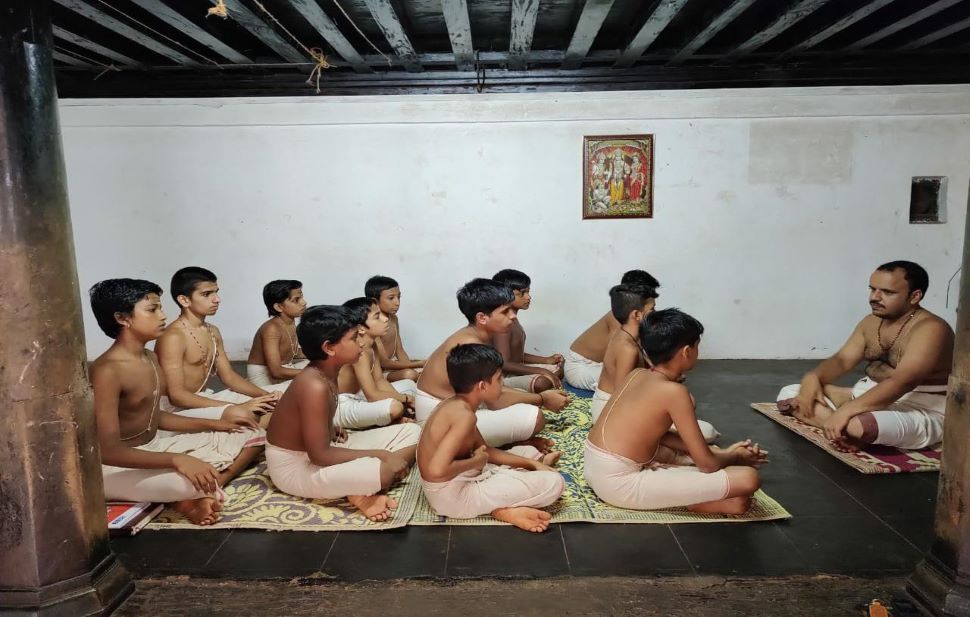
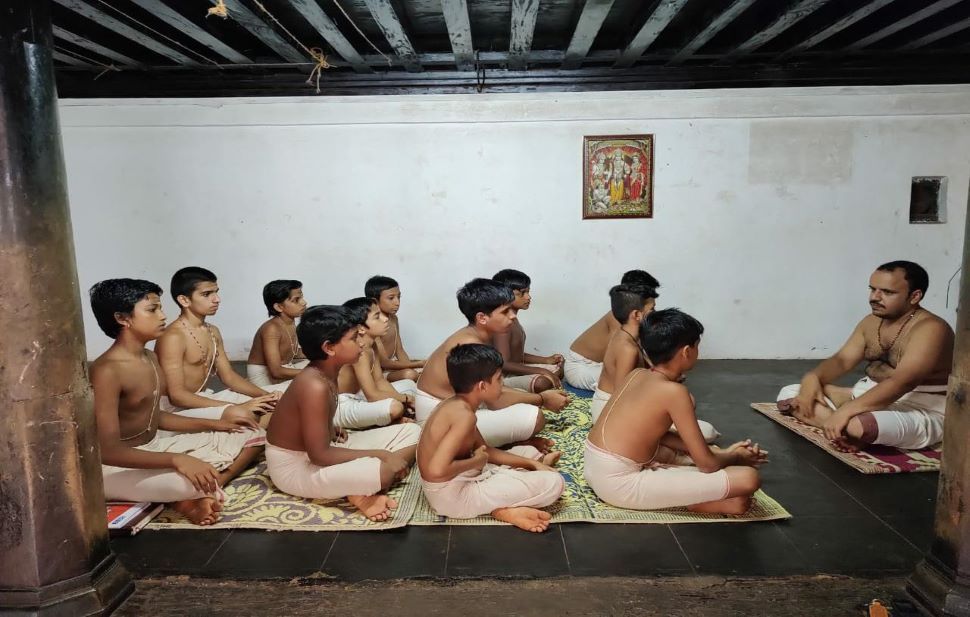
Raghavapuram Sabhayogyam is a Vedic educational organization in Kerela dedicated to teaching and disseminating traditional Vedic education to students of traditional priestly families. Their goal is to create an elite group of Vedic scholar-practitioners and future generation of trained Vedic teachers. They run 4 traditional Vedic schools that are teaching Yajurveda and Sāmaveda to select group of students. Currently they have 27 students who are getting trained in the oral recitation of the Vedic corpus, along with textual studies of other dharmic text. Along with running the Vedic schools, the Raghavapuram Sabhayogyam also runs multiple initiatives which includes environmental preservation, charitable work for elderly, running cow shelters, etc.

Tattva Heritage Foundation has made a grant to Raghavapuram Sabhayogyam for the running of the Vedic pataśālas. While the Yajurveda tradition especially the Taittrīya Śākhā is flourishing, the lineage of transmission for the Sāmaveda tradition has trickled to a few people who are still maintaining the oral recitation of this ancient tradition. Part of the fund granted by Tattva Heritage Foundation will also be used to support the Sāmvedic veda pataśālas.

Tattva Heritage Foundation is committed to supporting individuals and organisation who are trying to revive and promote the venerable Vedic tradition.     

More Announcements

Categories
tattva

Renovation of a 300-year-old heritage temple near Pune

Renovation of a 300 year old heritage temple near Pune

Tattva Team – January 2023

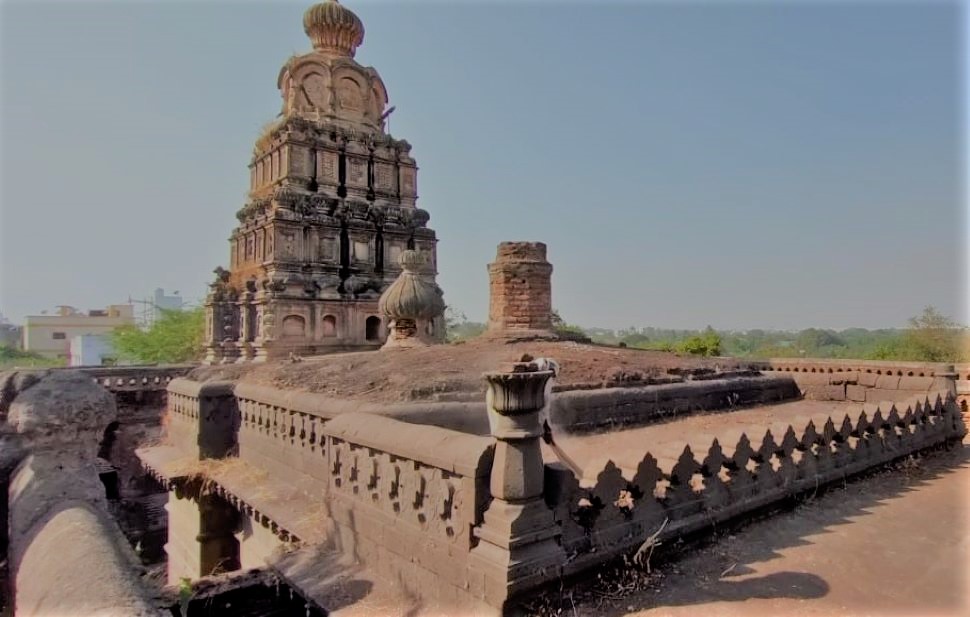
There is a small town located about 35 km away from Pune City Centre, called Talegaon Dhamdhere. Given the number of Maratha period Shiva temple in the town, locals often call it Ardh-Kashi, half-Kashi. There are about 10 Shiva temples in town that were constructed in the early 18th century under the patronage of Maratha sardar. While the town came into prominence during the Maratha period, its history probably dates back to the Yadava period as a gadhegal (ass-curse stones) was found in town dating back to the reign of Ramachandra Yadava (c. 1271-1311 CE). 

The Maratha period temples preserved in the town are some of the most exquisite specimens of the temple build during that period, and shows the economic affluence of the Maratha sardars of that era who could fund such lavish temple construction. Many of these temples have been recently ‘renovated’ by the towns people, however such kind of renovation involves putting a thick coat of colourful oil paint over the surface wall and shikhara of the temple. In some cases, crudely made colourful sculptures are put in place of old (yet exquisite) broken sculptures. Thus, a heritage temple takes on a look of a gaudy ‘new temple’. Fortunately, there are at least 4-5 temples, though dilapidated, are still in salvageable condition and their aesthetics have not yet been tampered with.

One of such temples is the Siddheshwar temple, built in 1706 CE. It is the largest temple among the group of Shiva temple at Talegaon Dhamdhere. Its structure along with the sculpture on the shikhara of the temple is still intact. However, it is overgrown with weed, plants and in some cases the roots have penetrated into the structure of the temple. Moreover, the water is seeping from the roof into the garbhagriha which will eventually compromise the structural integrity of the temple. Moreover, the shikhara of the temple needs urgent renovation based on sound conservation principles.

Tattva Heritage Foundation wants to restore this temple to its original glory and use it as a template for the restoration for other such temples in the region (and across India). As the first phase of the restoration process, we have worked on removing the very dense outgrowth of plant, shrubs and weed across the temple structure including the temple shikharas. Multiple labourers were hired for an extended period of time to clean the entire temple premises. We have also made few minor but much required structural repairs to the temple. Dr. Vijay Sarde has also made the ground plans of the temples and have written a detailed note on the history of the temple. We have arranged for the visit of historians, archaeologists and conservationist at this site to give them a first-hand overview of the temple and our vision for this temple.

After this first phase of renovation, we have made plans for structural repair of the temple and the restoration of old Maratha style sculpture and paintings visible on the shikharas. We are in the process of fund raising and talking to multiple stakeholders including the government and taking into confidence the townspeople to take this process forward. 

Please use this link for further details on the renovation work. 

https://heritagetemples.org/journal/preservation-of-a-300-year-old-maratha-temple-by-tattva-heritage-foundation

More Announcements